Permits for cleaning work in Kingston council area
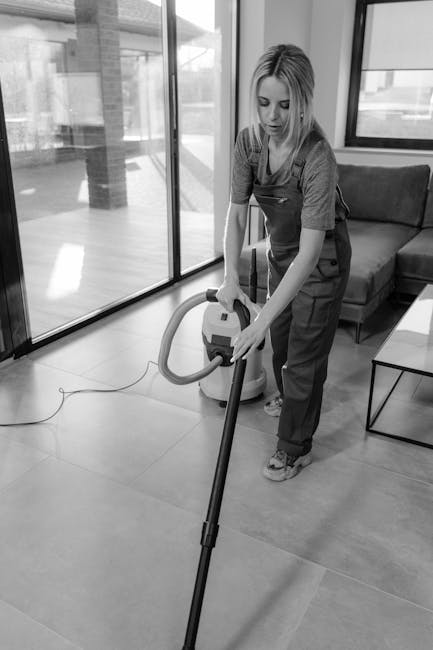
If you are planning a cleaning job in Kingston, the permit question can come up earlier than most people expect. Sometimes it is obvious: a scaffold outside, a pressure washer on a busy pavement, skips, cones, or a late-night commercial clean in a shared building. Other times it is less clear. Do you need permission, notice, or a licence for the work you are doing, or is it simply a matter of working safely and neatly? This guide on Permits for cleaning work in Kingston council area breaks it down in plain English, so you can avoid delays, stay compliant, and get on with the job without awkward surprises.
We will look at what permits can mean in practice, when they are usually relevant, who needs to think about them, and how to plan a cleaning job the sensible way. You will also find a checklist, a comparison table, and a realistic example based on the kind of work that often happens around homes, flats, shops, offices, and communal areas in Kingston.
Key takeaway: most routine indoor cleaning does not need a council permit, but work that affects public space, access, traffic, waste, or nuisance often does. The tricky bit is knowing where the line is.
Why Permits for cleaning work in Kingston council area Matters
The permit issue matters because cleaning work is not always "just cleaning". A domestic carpet clean inside a private flat is one thing. A deep clean that needs a van on a narrow road, hoses crossing a pavement, or waste bags stored outside a block is something else entirely. In practice, local authorities and building managers care about the knock-on effects: safety, obstruction, noise, drainage, parking, waste handling, and access for residents or businesses.
That is especially true in Kingston, where you can move from a quiet residential street to a high-footfall commercial area very quickly. One minute you are cleaning a hallway in a block of flats; the next, you are dealing with a shopfront, a hotel-style short-let, or a shared office entrance. To be fair, most problems are avoidable if you plan early. The real cost of getting it wrong is often not the permit fee itself, but the disruption: rescheduling, complaints, blocked access, or a job that has to stop halfway through.
There is also a trust angle. Clients tend to feel more comfortable when a cleaner can explain what permissions are needed, what insurance is in place, and how the work will be handled safely. That applies whether you are arranging commercial cleaning, end of tenancy cleaning, or a one-off deep clean after a renovation. Nobody wants a smooth booking to turn into a bit of a scramble on the day.
And one small but important point: councils and property managers usually care less about the cleaning method itself and more about the footprint of the work. Where will equipment go? Is water being managed properly? Is there a risk to passers-by? Are you leaving floors wet in a shared corridor? These are the questions that tend to matter.
How Permits for cleaning work in Kingston council area Works
In most cases, "permit" is a broad term rather than one single document. Depending on the job, you may be dealing with a council permit, landlord or managing agent approval, building access permissions, parking arrangements, or waste-related rules. That is why a good plan starts with the location and the practical impact of the work.
Here is the simple version. If the work stays entirely inside a private property and does not affect common access, utilities, waste, or public space, a permit is often not needed. If the work involves the street, pavement, shared entrances, external equipment, or anything likely to create obstruction or nuisance, extra approval may be needed. Sometimes that approval is formal. Sometimes it is an email, a booking slot, or a signed instruction sheet. Slightly boring? Yes. Necessary? Often, absolutely.
In real-life terms, a window clean on a townhouse might need different planning from a sofa clean in a third-floor flat. A window cleaning job may bring ladder safety, access issues, and parking considerations into play. By contrast, an indoor steam carpet cleaning job may only need building access and clear drying space. The permit question becomes much clearer once you map the setting.
Typical decision points include:
- Will the work happen on a public highway, pavement, or shared external area?
- Will equipment be left outside, even briefly?
- Will waste, dirty water, or chemicals need special handling?
- Will residents, tenants, customers, or pedestrians be affected?
- Is the property managed by an agent, freeholder, or building committee?
If the answer to several of those questions is yes, a permit or formal approval is more likely to be needed. Not always, but more likely.
Key Benefits and Practical Advantages
Getting the permissions side right may not feel glamorous, but it pays off quickly. A well-planned cleaning job runs more smoothly, looks more professional, and creates fewer headaches for everyone involved. That is the honest version.
Here are the main benefits:
- Fewer delays: you avoid last-minute stops caused by access or parking issues.
- Better safety: clear permissions make it easier to control wet floors, equipment, cables, and public movement.
- Smoother client relationships: property owners and managers appreciate cleaners who think ahead.
- Reduced complaint risk: neighbours are less likely to object when the work is well managed.
- Stronger compliance: you lower the chance of breaching local rules, building conditions, or site instructions.
There is a commercial upside too. If you are quoting for office cleaning, communal area cleaning, or after builders cleaning, being able to explain the permit and access plan can make your quote feel more credible. Clients do notice that. They may not say it out loud, but they do notice.
And on a practical level, the job itself tends to improve when the logistics are sorted. Less rushing, fewer awkward pauses, cleaner handovers. The work just feels calmer.
Who This Is For and When It Makes Sense
This topic is relevant to a wide mix of people, not just contractors. In Kingston, permit questions often come up for homeowners, landlords, letting agents, facilities teams, cleaners, and business owners. If your work is taking place somewhere with shared access or public-facing activity, it is worth paying attention.
You are likely to need to think about permits or approval if you are:
- cleaning exterior windows, facades, gutters, patios, or external hard surfaces
- working in a block of flats, mansion block, or managed communal space
- using a van, skip, cones, or equipment that affects parking or access
- doing a post-build clean where dust, residue, or waste needs controlled removal
- cleaning commercial premises outside standard opening hours
- handling waste, contaminated materials, or items that need clearing out before cleaning
For example, a landlord arranging move out cleaning for a flat in a busy building may need building management approval even if the cleaning itself is indoors. Similarly, a house clearance followed by a deep clean may raise questions about waste access and collection arrangements. If you are combining house clearance with cleaning, the logistics can matter as much as the cleaning schedule.
When does it make the most sense to ask early? Pretty much whenever you are unsure. If you are already thinking, "This might affect someone else's space," that is your cue. Asking one extra question at the start is nearly always cheaper than dealing with a complaint later.
Step-by-Step Guidance
If you want a practical way to approach permits for cleaning work in the Kingston council area, start with a simple process. Nothing fancy. Just a clean sequence that keeps you from missing something obvious.
- Define the exact job. Write down what is being cleaned, where it is located, and whether the job is internal, external, or mixed.
- Identify who controls the site. Is it a private homeowner, a landlord, a managing agent, a business tenant, or a council-adjacent shared area?
- Check for public impact. Look for pavement use, parking needs, loading bays, noise, water discharge, waste storage, or temporary obstruction.
- Confirm building rules. Many flats and commercial buildings have their own access conditions, time restrictions, or contractor requirements.
- Review insurance and risk controls. Make sure you know what cover is in place and what the site expects. A sensible provider should be happy to explain this, as outlined on the company's insurance and safety page.
- Agree timing and access. Choose a slot that reduces disruption. Early mornings, evenings, and weekends may come with extra restrictions.
- Document the approval. Keep written confirmation, even if it is just an email. You will thank yourself later.
- Prepare the work area. Protect floors, plan drying time, and make sure waste or wastewater is contained properly.
A small real-world example: if you are arranging office cleaning after hours in a multi-let building, it is not enough to say "the office is empty". You may still need lift access, a loading bay slot, and permission from the building manager. The permit side is really an access-and-impact question in disguise.
That is the part people sometimes miss. The issue is not just whether a council permit exists, but whether the work fits the site rules. Different problem, same headache if you ignore it.
Expert Tips for Better Results
In our experience, the best outcomes come from treating permits as part of the cleaning plan, not something bolted on the night before. A little bit of admin up front saves a lot of stress on the day.
- Ask about access before you quote. A cheap quote can become expensive if you later discover parking or loading complications.
- Check drying and ventilation. For jobs like deep cleaning or domestic cleaning, the room still has to be usable afterwards. A damp corridor at 5pm is nobody's favourite thing.
- Keep residents informed. A short notice about time, noise, and access can prevent a lot of grumbling.
- Plan around waste and residue. If the work creates bags, packaging, sludge, or dirty water, decide where it goes before you start.
- Build in a buffer. Parking, entry, and lift delays happen. They just do.
One subtle but useful trick: if the job involves multiple services, map them in order. For example, one-off cleaning after a renovation might sit alongside stain removal, carpet cleaning, and upholstery cleaning. If access is tight, doing the dirtiest work first can save a second trip. Simple, but helpful.
Also, do not underestimate communication. A lot of permit pain is really communication pain with a different costume on.
Common Mistakes to Avoid
The most common mistakes are not dramatic. They are small, ordinary oversights that become expensive because they happen at the wrong time. The classic one is assuming internal work never needs approval. Another is assuming the building manager already knows what you are doing. They might. Or they might not, which is usually the problem.
- Leaving approval until the day before. This can wreck timing, especially for managed buildings.
- Ignoring shared spaces. Lobbies, corridors, lifts, bin stores, and loading areas matter just as much as the cleaned room.
- Not planning parking or unloading. A van can be the whole issue, not the cleaning kit.
- Forgetting waste arrangements. Dirty water, debris, or packaging needs a proper route out.
- Using the wrong service assumptions. For instance, a patio cleaning job may need different consideration from indoor cleaning because water runoff and external access become relevant.
- Not confirming the permit in writing. Verbal approvals are easy to misunderstand later.
Another mistake is treating all external work as the same. It is not. Facade cleaning, gutter cleaning, and window cleaning each bring different access and safety considerations. Some jobs are perfectly straightforward. Others are more fiddly than they first appear.
Truth be told, a lot of permit problems come from optimism. Healthy optimism is fine. Assumed permission, less so.
Tools, Resources and Recommendations
You do not need a huge toolkit to manage permissions well. You need a sensible process and a few simple records. That is the real toolkit. Still, a handful of practical items make everything easier.
- Job checklist: note access, parking, permit, waste, drying time, and building contact details.
- Written approval log: keep emails, messages, or site notes in one place.
- Risk assessment template: useful for commercial and communal work, especially where public access is involved.
- Insurance confirmation: clients often want reassurance before the work begins.
- Site photos: helpful for spotting access issues before you arrive.
If you are comparing service options, it can also help to understand the operational differences between domestic and commercial work. For example, commercial cleaning often needs more formal coordination than house cleaning. A private home may only need a key and a start time. A business site may need building approval, visitor sign-in, and a strict finish window.
For clients who want clarity before booking, the company's pricing and quotes page is a sensible place to look at how scope affects cost and planning. And if you want to understand the business itself, the about us page gives a better sense of who is handling the work.
Small note, but an important one: good paperwork is not red tape for the sake of it. It is what keeps a clean job feeling calm.
Law, Compliance, Standards, or Best Practice
For cleaning work in Kingston, the exact legal or permit requirement depends on the activity, location, and impact. You should be careful not to assume one rule covers every job. That is rarely how local compliance works in the real world. A cleaner doing routine indoor work will usually focus on access permission, health and safety, insurance, and any landlord or building rules. A cleaner doing external or public-facing work may need extra approvals connected to obstruction, waste, or use of the highway.
Best practice in the UK usually includes the following:
- carry out a site-specific risk assessment where the setting changes the risk profile
- make sure staff understand safe handling, wet-floor control, and electrical safety
- keep chemicals labelled and used according to instructions
- avoid blocking exits, corridors, or shared access routes
- protect nearby surfaces and consider runoff, especially outdoors
- retain clear written instructions or approvals for managed buildings
If the job involves specialist cleaning or post-build work, these habits matter even more. A new build or refurbishment clean, for instance, may feel straightforward until dust, residue, or trade waste starts moving around the site. That is why after builders cleaning is usually best handled with a proper plan, not a loose arrangement and a hopeful smile.
And because this is a compliance topic, a careful tone is worth using: if you are unsure whether a permit, licence, or written approval is required, check before work starts. It is better to pause for clarity than to guess wrong. That is just sensible business, really.
Options, Methods, or Comparison Table
When people ask about permits, what they often really want is to know which route is simplest. The answer depends on how visible and disruptive the work is. Here is a straightforward comparison.
| Cleaning scenario | Likely permission level | Common considerations | Typical risk if ignored |
|---|---|---|---|
| Private indoor cleaning | Usually low | Access, keys, timing, occupant preference | Missed appointment, access confusion |
| Communal area work | Medium | Resident notice, shared routes, drying time | Complaints, blocked access, safety issues |
| External cleaning | Medium to high | Pavement use, runoff, ladders, noise, parking | Obstruction, neighbour complaints, site stop |
| Commercial or office clean | Medium | Building rules, sign-in, after-hours access | Delays, rejected entry, contract issues |
| Post-build or clearance-linked cleaning | Medium to high | Waste handling, dust control, loading access | Missed disposal plan, unsafe conditions |
If you are trying to decide between service types, consider how the site behaves before and after the clean. A simple regular cleaning visit is usually easier to manage than a one-off heavy-duty visit. Likewise, move in cleaning and move out cleaning may sound similar, but access, furniture movement, and timing can feel very different on the day.
Sometimes the best option is not the fastest option. It is the one that leaves the site calm and the paperwork tidy.
Case Study or Real-World Example
Here is a realistic example from the kind of work that often happens around Kingston. A managing agent arranges cleaning for a mixed-use building with flats above small offices. The job includes a communal hallway clean, some internal window cleaning, and a later deep clean of one vacant flat. On paper, it looks simple. In practice, it involves a shared entrance, limited loading space, resident footfall, and a time window before the offices open.
The cleaner starts by checking building rules and asking whether any permit or written approval is needed for loading at the front entrance. It turns out the work does not need a formal council permit, but it does need management approval for access, a short notice to residents, and a strict finish time. The cleaner also plans wet-floor signage and keeps equipment inside the building to avoid cluttering the pavement. Nothing dramatic. Just good planning.
Because the access issue was sorted early, the job runs neatly. The hallway is cleared, the windows are cleaned without interrupting foot traffic, and the flat is left ready for occupation. The most important detail? Nobody was surprised when the van arrived. That alone can save a job from becoming a little bit chaotic.
This kind of planning also works well for communal area cleaning, especially in blocks where residents share lifts, bins, and entrance spaces. Add in hard floor cleaning or oven cleaning inside a managed property, and the principle stays the same: check the site, confirm permissions, and keep the work area controlled.
It sounds obvious once written down, but that is often how the best systems are built. Obvious after the fact. Not always before.
Practical Checklist
Use this checklist before any cleaning job that might affect access, parking, shared space, or public areas in Kingston.
- Have I confirmed the exact location and scope of the cleaning job?
- Does the work involve any public-facing or shared area?
- Do I need landlord, agent, building, or site approval?
- Could the job require parking, loading, cones, or equipment outside?
- Have I checked waste, wastewater, and disposal arrangements?
- Have I planned for wet floors, drying time, and signage?
- Is my insurance suitable for the type of work being carried out?
- Have I recorded approval in writing?
- Are residents, staff, or neighbours likely to be affected?
- Do I know exactly who to contact if access changes on the day?
If you can tick all of those, you are probably in good shape. If not, pause and sort the missing bits. It is far easier to fix a permit or approval question before the van rolls up than after.
Get a free quote today and see how much you can save.
Conclusion
Permits for cleaning work in Kingston council area are not usually about making life difficult. They are about managing impact. If the job stays private and low-impact, the admin may be minimal. If it touches public space, shared access, waste, or building operations, then planning and approval become part of the job. That is not a burden, honestly. It is just how clean, professional work stays smooth.
The best approach is simple: define the job clearly, check who controls the space, ask about any permit or written approval early, and keep everything documented. Do that, and you reduce risk, save time, and make the whole process feel a lot less stressful. Sometimes the cleanest jobs are the ones where the paperwork was handled quietly in the background.
And if you are still unsure, that is fine. A careful question now is worth a messy problem later. That's just the real world, isn't it?
Frequently Asked Questions
Do all cleaning jobs in Kingston need a permit?
No. Most routine indoor cleaning jobs do not need a council permit. The need for permission usually comes up when the work affects public space, shared access, parking, waste, or external surfaces.
What kind of cleaning work is most likely to need permission?
External work, communal area work, cleaning in managed buildings, jobs that use pavements or loading areas, and jobs that create waste or runoff are more likely to need approval of some kind.
Is a landlord or building manager approval the same as a council permit?
Not always. A council permit is a formal local authority matter, while landlord or building approval is usually site-specific. Both can matter, depending on the job.
Do I need a permit for window cleaning in Kingston?
Sometimes you may need extra permission, especially if the work involves access equipment, ladders, pavement use, or a building with strict site rules. The location matters a lot.
What about carpet cleaning or upholstery cleaning inside a home?
Indoor cleaning inside a private home usually does not require a permit. You still need the occupant's permission and a sensible plan for access, drying, and protection of surfaces.
When should I ask about permits or approvals?
As early as possible, ideally before confirming the job. If access, parking, or shared spaces are involved, leaving it late can create delays or cancellations.
Do communal areas need extra planning?
Yes. Communal spaces often need resident notice, careful timing, wet-floor control, and sometimes building approval. Shared entrances and corridors are where small problems become annoying very quickly.
Can a cleaning company help me work out what is needed?
A good cleaning company should be able to explain the practical side of access, timing, and site requirements. They may not determine council policy for you, but they should help you spot the likely issues.
Does after builders cleaning usually need more planning?
Yes, often it does. Dust, debris, access needs, and waste handling can make post-build work more complicated than standard cleaning. It is worth checking permissions and logistics in advance.
What is the biggest mistake people make with permits for cleaning work?
The biggest mistake is assuming no permission is needed because the work sounds simple. In reality, the location and impact matter more than the cleaning task alone.
How do I know whether my job is low-risk or higher-risk?
If the work stays indoors, does not affect shared areas, and does not involve parking, waste, or public access, it is usually lower-risk. If it touches any of those areas, treat it as higher-risk and check first.
Can I combine several cleaning services in one visit?
Yes, and it often makes sense. Just make sure the order of work, access needs, and drying time are planned properly. A mixed job can be efficient, but only if the logistics are tidy.
What should I keep on file after permission is granted?
Keep written approval, any site instructions, contact details, and relevant insurance or risk notes. It does not have to be fancy. It just has to be clear enough to refer back to if needed.