Carpet Cleaning
 Upholstery Cleaning
 End Of Tenancy Cleaning
 Domestic Cleaning
 House Cleaning
 Office Cleaning


Emergency flood carpet cleaning Kingston urgent response
Posted on 12/06/2026
When floodwater hits a carpet, the clock starts immediately. A wet pile underfoot might look like a simple mess, but in real life it can turn into staining, odour, mould growth, warped underlay, and a much bigger bill if you leave it too long. That is why Emergency flood carpet cleaning Kingston urgent response matters so much: it is not just about making a carpet look better, it is about limiting damage quickly and sensibly.
If you are dealing with a burst pipe, overflow, appliance leak, or storm-related water ingress, the first few hours can make a real difference. In this guide, you will learn what urgent flood carpet cleaning involves, how it works, what to do first, where people go wrong, and how to judge the right next step. If you are also looking for broader support beyond one room, it can help to understand the wider services overview and, where needed, the team's approach to insurance and safety.
To be fair, a flood in a home or workplace is one of those moments that makes everyone slightly scatterbrained. That is normal. The trick is to slow the situation down without wasting time. Act fast, stay safe, and make each step count.
Why Emergency flood carpet cleaning Kingston urgent response Matters
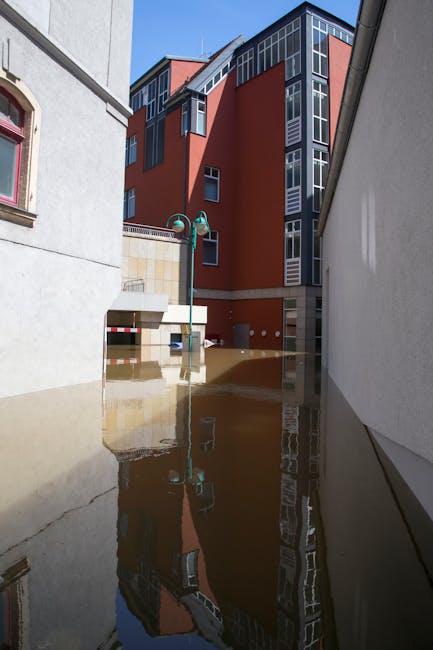
Flooded carpet is one of those problems that looks manageable at first glance and then, a few hours later, becomes awkward, smelly, and expensive. The urgency matters because water does not just sit on the surface. It moves into the fibres, the backing, the underlay, and sometimes the floor below. If the water is dirty, the issue becomes even more serious.
The main risk is time. Clean water from a plumbing leak is already a problem, but grey water or contaminated floodwater can bring in bacteria, debris, and unpleasant residues. Even after the carpet feels dry on top, moisture can remain trapped underneath. That trapped damp is where odours and mould often begin. And once that starts, you are no longer dealing with a cleaning job; you are dealing with restoration and possible replacement.
In Kingston, many homes and offices combine fitted carpets with underlay, furniture, and skirting boards that can all be affected at once. If the water reaches a hallway, a reception room, or a tenant's flat, the delay also affects how the space is used. This is where urgent response is not just helpful, it is practical common sense.
Expert summary: the goal of emergency flood carpet cleaning is simple: remove water quickly, reduce contamination, protect the structure beneath the carpet, and stop avoidable secondary damage before it spreads.
That is why fast action usually beats "wait and see". A carpet that is addressed early often has a much better chance of being cleaned, sanitised, and saved.
How Emergency flood carpet cleaning Kingston urgent response Works
Urgent flood carpet cleaning is usually a sequence, not a single task. The exact method depends on the water source, the carpet material, how long the carpet has been wet, and whether the underlay or floor below has been affected. Still, the general process tends to follow a sensible pattern.
1. Safety check and source control
The first step is always to make the area safe. If the leak is still active, it must be stopped. If electricity is involved, the area should not be treated casually. Water and electrics do not mix, and it is one of those moments where being careful is not optional. The room may need to be isolated before any cleaning starts.
2. Moisture removal
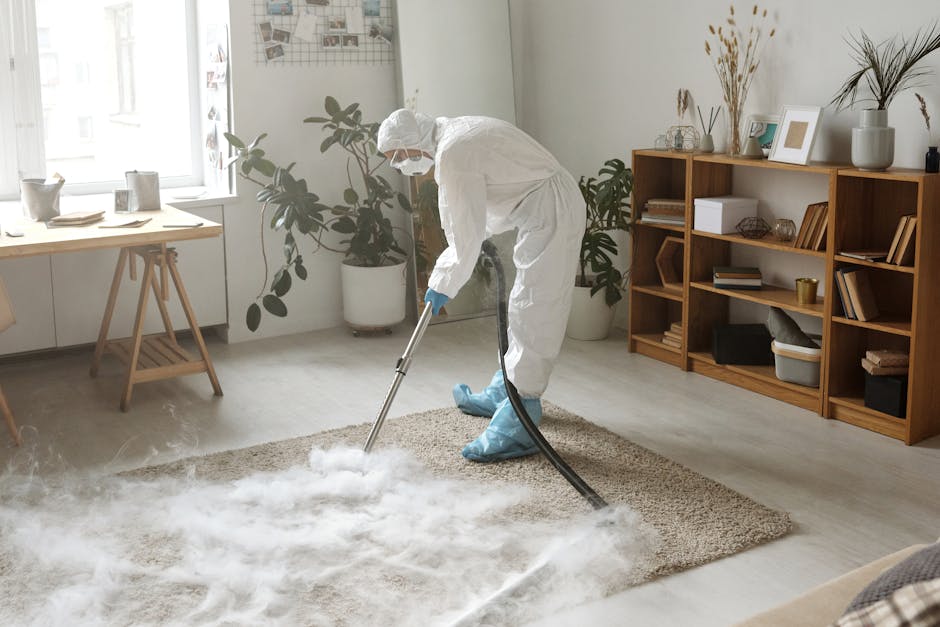
Standing water is removed first, usually with extraction equipment suitable for flood conditions. The quicker this happens, the less the water travels into the pile and backing. In a small leak, towels and manual extraction may help at the very beginning, but for anything serious, a proper extraction method is much more effective.
3. Inspection of carpet and underlay
After the visible water is reduced, the carpet is checked more closely. This includes testing how far the damp has spread, whether the underlay has soaked through, and whether the carpet has begun to buckle or lift. Sometimes the carpet can be saved. Sometimes the underlay needs attention too. Sometimes, to be blunt, the damage is already deeper than it first appeared.
4. Cleaning and rinsing
Once excess water is removed, the carpet is cleaned with the right solution for the type of contamination. A mild leak from a clean source is treated very differently from a flood that carries dirt or foul residue. The aim is not to over-wet the carpet again, which is a common mistake, but to lift contamination without pushing more moisture into the base.
5. Sanitising and deodorising where appropriate
Depending on the circumstances, a disinfecting or deodorising stage may be used. This is especially helpful if the carpet has absorbed odours from stagnant water or dirty ingress. You want the room to smell clean, not like a damp cellar after a miserable week.
6. Drying and monitoring
Drying is not a side note. It is the final stage that often determines whether the job stays successful. Air movement, dehumidification, and follow-up checks help reduce remaining moisture. A carpet can look fine and still be carrying damp beneath the surface, so monitoring matters more than people expect.
If the flood has affected the wider property, it may also make sense to look at related cleaning needs in adjoining rooms or shared areas. For ongoing household support after a stressful incident, domestic cleaning in Kingston can be a useful next step once the immediate water issue is under control.
Key Benefits and Practical Advantages
There are a few clear reasons why urgent flood carpet cleaning is worth prioritising rather than delaying. Some are obvious; others only become obvious after the damage has already spread. Annoying, but true.
- Reduced long-term damage: quicker extraction and drying help protect the pile, backing, underlay, and subfloor.
- Lower chance of odour: the sooner moisture and residues are removed, the less likely the room will develop a persistent damp smell.
- Better chance of carpet recovery: many carpets that are treated quickly can be cleaned and retained instead of replaced.
- Less disruption: a faster response usually means less downtime for family life, tenants, or business operations.
- Cleaner indoor environment: floodwater can carry debris and contaminants, so thorough cleaning helps restore the room properly.
- More predictable outcome: urgent action gives you more options. Waiting strips those options away.
There is also a practical financial angle. If you are comparing a rapid clean against potential replacement, structural drying, and repeat deodorising, the early intervention often makes a lot of sense. For those wanting to understand pricing expectations more broadly, the site's pricing and quotes page is a useful place to start.
And yes, sometimes the most valuable benefit is peace of mind. When a wet carpet is making a room feel grim and you can still hear that squelchy sound underfoot, getting proper help can calm the whole situation down.
Who This Is For and When It Makes Sense
Emergency flood carpet cleaning is not only for major disasters. In fact, many calls come from smaller but time-sensitive situations where the damage would be far worse if left overnight.
Homeowners and tenants
If a washing machine hose bursts, a bathroom overflows, or rain gets in through a badly sealed opening, you may be dealing with a room that feels salvageable one hour and much worse the next. Tenants in particular often need to act quickly, both for practical reasons and because they may need to show they handled the issue promptly and responsibly.
Landlords and letting agents
Vacant or occupied rental properties can be vulnerable to slow leaks and hidden damp. If a carpet in a hallway, living room, or bedroom is affected, the decision often comes down to protecting the asset and reducing disruption for the next move-in or inspection. In some cases, the issue may overlap with end-of-tenancy work too, which is why related services such as end of tenancy cleaning Kingston can become relevant after the flood recovery phase.
Offices and commercial spaces
A flooded carpet in an office is not just a cleaning issue; it is a business interruption issue. Wet flooring can affect staff access, odour levels, and the impression left on visitors. If the incident affects reception, meeting rooms, or communal areas, a speedy response keeps things from becoming awkward for everyone. For broader workplace support, office cleaning Kingston may also be part of the recovery plan once the immediate moisture has been dealt with.
When it makes sense to call quickly
- Water has soaked beyond the surface and into the underlay
- The carpet smells musty or stale within hours
- The room is used daily and cannot stay out of action for long
- The water source may have been dirty or contaminated
- You can see lifting, rippling, or discolouration
- The area is too large for basic DIY drying
Let's face it: if you are already wondering whether it is serious, it probably deserves urgent attention.
Step-by-Step Guidance
If you are standing in the room right now with a wet carpet, use this sequence. Keep it simple. Keep it safe.
- Stop the water source if you can do so safely. Turn off the appliance, close the valve, or isolate the area. If you are unsure, do not improvise.
- Protect people first. Keep children, pets, and anyone vulnerable away from the wet area, especially if the water source may be contaminated.
- Move light furniture out of the way. Raise anything that can stain or rust, but do not drag heavy pieces across a soaked carpet if you can avoid it.
- Blot standing moisture. Use absorbent towels to lift as much water as possible from the surface. Press, do not rub.
- Ventilate carefully. Open windows if conditions allow, but do not rely on a draught alone. Airflow helps, yet it is rarely enough on its own.
- Document the damage. If insurance or landlord reporting is likely, take clear photos before you move too much.
- Arrange urgent professional assessment. The faster the carpet and underlay are inspected, the better the odds of saving them.
- Continue drying after the clean. Even after a good clean, monitor the room for lingering damp smells or cool, damp patches.
A small but useful detail: if the carpet feels dry at the edge but still cool in the centre, it is often not dry underneath. That is a common trap. It looks fine, then it isn't.
Expert Tips for Better Results
Over time, the difference between a decent recovery and a disappointing one usually comes down to discipline. A few small decisions matter a lot.
- Act early, not dramatically. Fast does not mean frantic. It means organised.
- Do not over-wet the carpet again. More water is not more cleaning.
- Check the underlay, not just the pile. The visible carpet is only half the story.
- Watch for hidden edges. Water often travels further under skirting boards and furniture than people realise.
- Use the right drying method for the room size. A small bedroom and a busy hallway are not the same job.
- Ask how the contamination level changes the approach. Clean water, grey water, and dirty ingress should not be treated the same way.
If you are dealing with a flat or rented property and need a rapid response after a flood-related clean-up, it can also be useful to know what the company says about service reliability and customer feedback. The reviews page can offer a sense of how people talk about the experience in real life, which is often more reassuring than any polished sales line.
And one more thing: if you are unsure whether to remove a rug, wait on a dehumidifier, or start pulling things apart, pause and get advice. Some DIY urgency helps; random guesswork, not so much.

Common Mistakes to Avoid
Flooded carpets tempt people into quick fixes. Some are harmless. Others create more work later. Here are the usual culprits.
- Waiting too long: the most expensive mistake. Water moves, breeds odour, and weakens fibres over time.
- Scrubbing stains immediately: this can spread contamination or push dirt deeper into the carpet.
- Using a domestic vacuum on standing water: that is unsafe unless the equipment is designed for wet extraction.
- Ignoring the underlay: the surface may dry while the base stays wet and troublesome.
- Covering the area with furniture or mats: this traps moisture and delays drying.
- Assuming the smell will disappear on its own: if damp persists, the smell usually does too.
- Mixing random products: household chemicals can react badly or leave residues that are hard to remove.
A lot of people also make the mistake of judging by appearance alone. A carpet can look "fine enough" and still be holding onto moisture. That is the sneaky bit.
Tools, Resources and Recommendations
You do not need a van full of equipment to respond well, but the right tools make a noticeable difference. For a proper urgent response, professional-grade extraction and drying equipment is usually what separates a quick tidy-up from genuine flood recovery.
| Method | Best for | Strengths | Limitations |
|---|---|---|---|
| Manual towel blotting | Very small fresh spills | Fast first aid, low cost | Not enough for soaked backing or underlay |
| Portable wet extraction | Most flood incidents | Removes standing water efficiently | Needs correct handling and follow-up drying |
| Targeted cleaning and sanitising | Contaminated or odorous carpet | Improves hygiene and smell | Must be matched carefully to fibre type |
| Air movers and dehumidification | Residual damp and drying stage | Helps reduce hidden moisture | Works best after water removal, not instead of it |
Some people ask whether carpet can simply be left with the windows open and a heater on. Sometimes that helps a little, but it is rarely enough after a meaningful flood. You need a controlled drying approach, especially if the carpet has absorbed more than a surface layer of water.
For a fuller view of the company's wider cleaning approach, the carpet cleaning Kingston page is worth reading alongside this guide, especially if flood recovery is only one part of the cleaning work you need done.
Law, Compliance, Standards and Best Practice
Flood carpet cleaning sits in a practical grey zone: it is partly cleaning, partly property care, and sometimes partly safety management. While I am not going to overstate legal detail here, a few UK best-practice points are worth keeping in mind.
First, water damage should be treated carefully if there is any risk to electrical fittings, contaminated water, or structural damp. Second, in rented properties or managed buildings, the issue may need to be reported promptly to the landlord, agent, insurer, or building manager, depending on the situation. Third, a responsible provider should be clear about what they can safely clean, what needs further drying or remediation, and when a carpet may no longer be viable.
Good practice also means honest communication. If the carpet is salvageable, say so. If the underlay is too saturated and replacement is likely, say that too. People appreciate directness when the room smells of wet fabric and everyone is trying not to panic. Transparency is part of trust.
It is also sensible to use providers who make safety and complaints handling visible. If you want to understand how a business structures that side of its work, look at the information on health and safety policy and complaints procedure. Those pages are not glamorous, obviously, but they do tell you something useful about professionalism.
Options, Methods, and Comparison Table
Different flood situations call for different responses. Here is a simple comparison to help you decide what kind of help is likely to be needed.
| Situation | Likely approach | What to expect |
|---|---|---|
| Small clean-water leak | Quick extraction, cleaning, controlled drying | Often salvageable if handled promptly |
| Medium leak with soaked underlay | Extraction, carpet assessment, deeper drying | May need several drying stages and follow-up checks |
| Dirty water ingress | Extraction, sanitising, careful fibre-safe cleaning | Higher risk of odour and contamination |
| Longer-standing flood damage | Assessment first, then targeted restoration or replacement advice | Possibly more disruptive; honest diagnosis matters |
Short version: the earlier the response, the more likely the carpet can be cleaned rather than replaced. That is the bit people remember later.
Case Study or Real-World Example
Picture a fairly ordinary Kingston morning. Not dramatic, just busy. Someone notices a patch of dark carpet in a hallway after a washing machine hose has leaked overnight. By the time they spot it, the water has already spread under a runner and started to lift the edge of the carpet near the skirting board. The room smells faintly of damp clothes. Not awful yet, but definitely heading that way.
The first sensible move is not to keep poking it. The source is stopped, the area is cleared, and moisture is removed from the surface. An urgent assessment then checks how far the damp has spread under the underlay. In this kind of scenario, the visible carpet often looks more damaged than it is, while the hidden layer beneath may be the real problem.
With prompt extraction and controlled drying, the homeowner may avoid having to replace the entire floor covering. That is the best outcome, of course. But even when replacement is needed in part, acting quickly can reduce the spread and make the repair smaller, cleaner, and easier to manage.
It is a humble kind of victory, really. No one is throwing a party over it. But getting a wet hallway back to normal without turning the whole place into a building project feels pretty good.
Practical Checklist
Use this checklist if you are dealing with floodwater on carpet right now, or if you want to be ready for the next emergency.
- Stop the water source if it is safe to do so
- Turn off or isolate electrics in the affected area if needed
- Keep children and pets away from the wet carpet
- Remove lightweight furniture and valuables
- Blot surface water with clean absorbent towels
- Take photos for records before moving too much
- Arrange urgent assessment and extraction
- Check underlay, edges, and hidden corners for damp
- Continue drying until the room is fully stable
- Watch for smell, rippling, or recurring moisture after cleaning
If you tick all of that off, you are already doing much better than the average panicked first reaction. Honest truth.
Get a free quote today and see how much you can save.
Conclusion
Emergency flood carpet cleaning in Kingston is about more than removing water. It is about fast decisions, careful handling, and protecting a room before the damage becomes long-term. The most important thing is to act early, stay safe, and avoid the common temptation to wait and hope the carpet will sort itself out.
For a small leak, quick extraction and drying may be enough. For a larger or dirtier flood, you may need deeper cleaning, sanitising, and honest advice about what can be saved. Either way, the sooner you move, the better your options stay. That is the real takeaway.
If you are facing a wet carpet today, take a breath, work through the steps, and get the right help in place. It's a rough moment, yes, but it is usually fixable with the right response and a bit of calm.